






THE VALUE OF GÕOD EYESIGHT
VISUAL CHECK
An eye exam allows for the evaluation of both the quality of vision and the state of eye health. Through an eye examination and various ophthalmological tests, it is possible to detect common vision problems, such as myopia, astigmatism, or presbyopia, and also to identify eye diseases early on that may not present symptoms in their initial stages.
Having a professional eye exam regularly helps update your prescription when necessary and monitor your eye health. At visiõnclínic, we offer different eye exam options, from vision tests to assess your prescription (visual acuity package) to a comprehensive eye exam with specialists and advanced diagnostic technology (visual health package).
“At visiõnclínic we offer two types of eye exams adapted to each need: a visual exam with an optometrist, aimed at evaluating visual acuity and updating the prescription, and a complete ophthalmological exam, which allows for an in-depth analysis of eye health through advanced diagnostic tests and the evaluation of a specialist.”
Dr. Alfredo Adán
Director of visiõnclínic
EYE TEST AND COMPLETE VISUAL TEST
If it’s been a while since your last eye exam, it’s recommended to have a complete eye test.
Why get an eye exam?
Many eye diseases do not produce symptoms in their initial stages. Therefore, regular eye exams are essential for early detection of problems. A comprehensive ophthalmological examination allows for the evaluation of both vision quality and the condition of the eye’s structures, identifying issues such as:
• Myopia, hyperopia, or astigmatism
• Presbyopia or age-related farsightedness
• Optic nerve disorders
What does a visual examination involve?
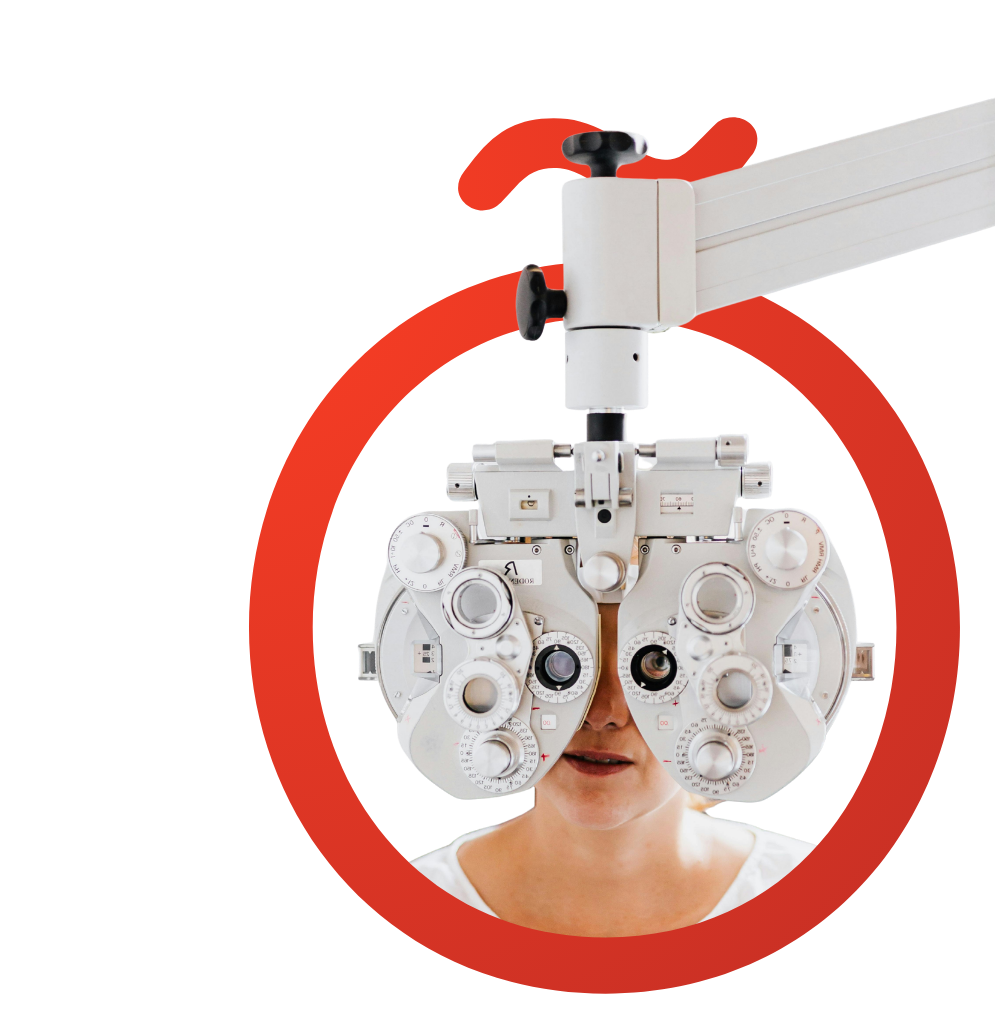
A vision test is a professional evaluation designed to analyze both the quality of your vision and your overall eye health. Through an eye exam, specialists assess how well your eyes focus, whether there are any refractive errors, and if your vision is adequate for everyday activities, such as reading, working with screens, or driving.
In addition to checking visual acuity and the potential need for corrective lenses, an eye exam allows for the early detection of eye conditions or diseases that often produce no symptoms in their initial stages. For this reason, having a professional eye exam regularly is one of the best ways to care for your eye health and maintain good vision over time.
What kind of eye exam do you need?
At visiõnclínic we offer two types of eye exams, adapted to each need.
PACK DE AGUDEZA VISUAL
Revisión de agudeza visual con optometrista
It is an eye exam aimed at assessing the quality of vision and visual acuity.
Includes:
• Measurement of visual acuity
• Determination of the optical prescription if necessary
• Measurement of intraocular pressure
• Visit with optometrist
This check-up allows for the detection of changes in prescription and the assessment of the need for glasses or contact lenses.
Recommended for those who wish to have their vision checked or update their prescription.
VISUAL HEALTH PACK
Complete eye exam with an ophthalmologist
It is the most comprehensive eye exam, recommended to evaluate both the quality of vision and eye health in depth.
Includes:
• Measurement of visual acuity and prescription if necessary
• Measurement of intraocular pressure
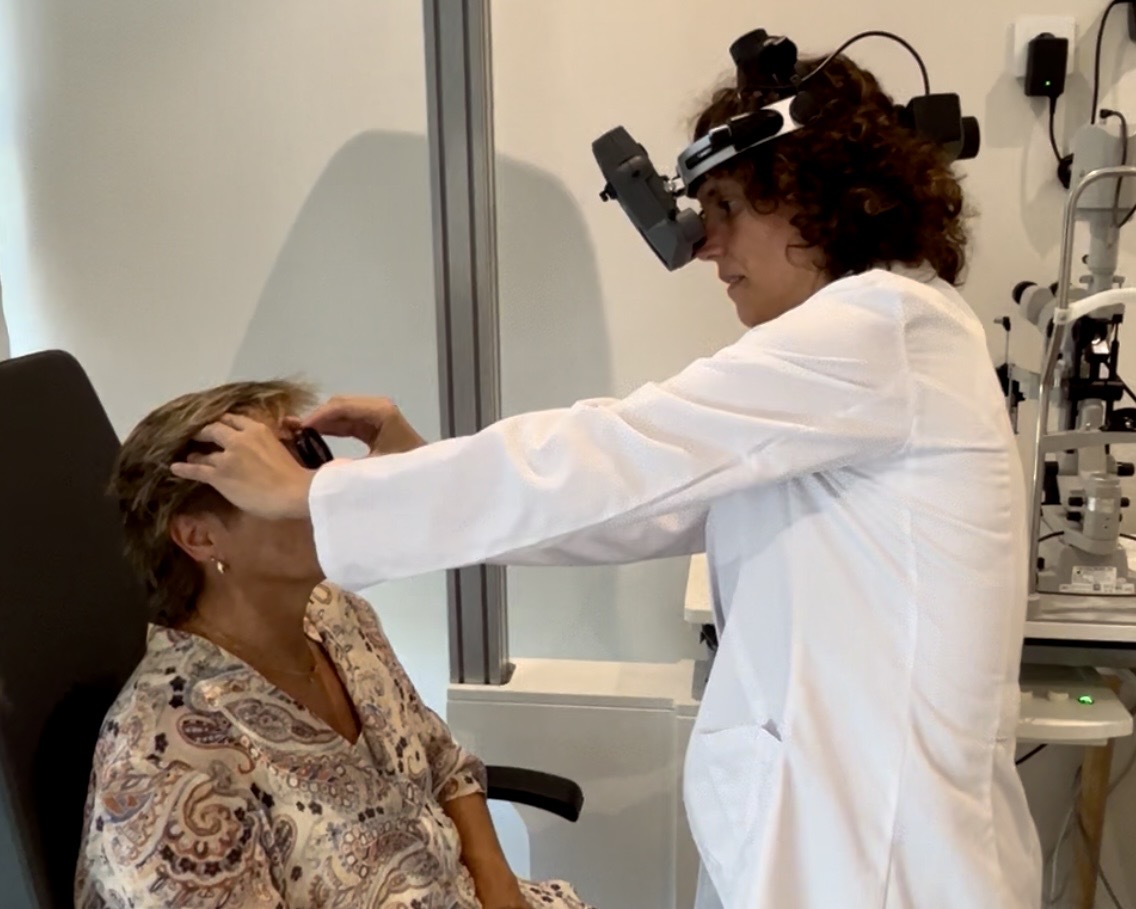
• Slit-lamp examination of the anterior segment
• Fundus examination
• Optical coherence tomography (OCT) of the macula
• Visit with an ophthalmologist
This examination allows for the early detection of glaucoma, macular degeneration, or other diseases of the retina and vitreous humor.
Ideal if you want a complete eye exam or if it’s been years since your last comprehensive eye exam.
Why have your eye exam at visiõnclínic?
Team specializing in visual health
At visiõnclínic, we have a team of ophthalmologists and optometrists who work together to provide a comprehensive and thorough eye exam. Our goal is to accurately assess both the quality of your vision and the overall health of your eyes, tailoring each exam to the individual needs of each patient.
Advanced diagnostic technology
We have advanced diagnostic technology that allows us to analyze the structures of the eye in depth and detect possible eye abnormalities or diseases early. This approach allows us to go beyond a simple vision test and perform a comprehensive assessment of vision and the eye.
Reviews tailored to each need
We offer two types of eye exams, so that each patient can choose the option that best suits their situation: a visual exam focused on checking visual acuity and prescription, and a complete ophthalmological exam performed by a specialist to evaluate eye health in greater depth.
Personalized attention to care for your vision
Having your eye exam at visiõnclinic means having access to professionals with extensive clinical experience, state-of-the-art diagnostic technology, and personalized care focused on preserving your long-term visual health.
Request your eye exam
If you want to check the state of your vision or have a complete eye exam, our team can help you.
Frequently asked questions about eye exams
If you have any questions about our services, how to access our facilities, payment or financing options, the care provided by our professionals, or the surgical procedures we perform, you can consult the frequently asked questions below or contact us. We will respond as soon as possible.
What does an eye exam involve?
An eye exam is a professional evaluation that assesses the quality of your vision and checks your overall eye health. During the visual exam, the specialist evaluates whether there are any visual problems, whether your prescription is correct, and whether there are any signs that may indicate an eye condition requiring monitoring or treatment.
What is the difference between a visual examination with an optometrist and an ophthalmological examination?
An optometrist’s eye exam is primarily aimed at assessing visual acuity and determining whether an updated prescription for glasses or contact lenses is needed. An ophthalmological exam, on the other hand, allows for a more comprehensive evaluation of eye health and the detection of potential eye diseases through assessment by a medical specialist.
How often should you have an eye exam?
The recommended frequency for an eye exam depends on age, medical history, and the presence of vision problems. Generally, an visual check is advised every one to two years. From age 40 onward, annual checkups are recommended to prevent or detect early signs of vision problems and/or eye diseases.
Signs you need an eye exam
There are some symptoms that may indicate the need for an eye exam. Among the most common are blurred vision, difficulty focusing on near or far objects, eye strain at the end of the day, frequent headaches, or the need to hold your phone or books at arm’s length to read clearly. If you experience any of these signs, it is advisable to have a professional eye exam.
Is it necessary to have an eye exam if I see well?
Yes. Many visual impairments or eye diseases can develop without causing obvious symptoms in their early stages, such as glaucoma, which causes irreversible vision loss. Regular eye exams allow for the early detection of these problems and enable the necessary steps to be taken to preserve eye health.
What problems can be detected in a visual examination?
During an eye exam, refractive errors such as myopia, hyperopia, astigmatism, or presbyopia are identified, as well as early signs of various eye diseases. This allows for early intervention and improves both vision quality and eye health.
Who should get their eyes checked?
Everyone. Anyone can benefit from an eye exam, especially those who use screens for many hours, those who have noticed changes in their vision, or those who haven’t had an eye exam in recent years. Regular eye exams are a simple and effective way to take care of your eye health.
VISIÕNBLOG

Endothelial cornea transplant: not all cornea transplants are the same
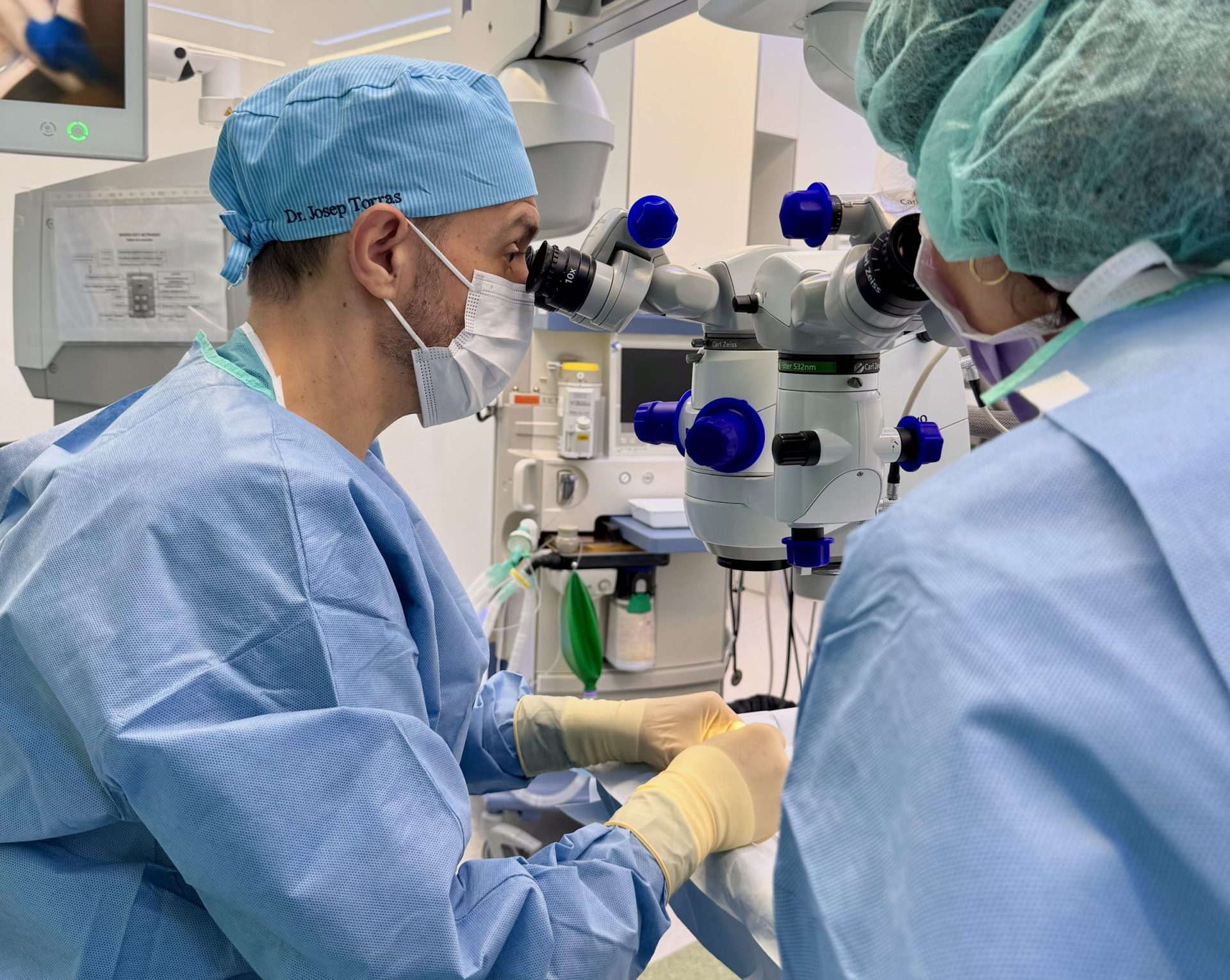
Many people still believe all cornea transplants are the same. They are not. Endothelial keratoplasty replaces only the damaged inner layer, improving recovery—especially in conditions like Fuchs’ dystrophy. As Dr. Josep Torras explains, choosing the right technique is key to both outcomes and patient quality of life.
Eye surgery: why choosing the right specialist matters
Ophthalmic surgery has advanced so much that it may now seem quick and simple. But behind every procedure there are key decisions that can determine the outcome… and your vision for life. “Thinking that any eye surgery is simple and can be performed by anyone is a mistake,” warns Alfredo Adán.
Who would you trust your vision to: someone who applies evidence… or someone who leads it?
Entrusting your vision to those who lead scientific evidence brings a level of reassurance that is hard to explain. Dr. Anna Sala-Puigdollers, retina specialist at Visionclinic, took part in the 29th Congress of the Spanish Society of Retina and Vitreous (SERV), one of the most important scientific meetings in ophthalmology in Spain.