



REFRACTIVE SURGERY WITH INTRAOCULAR LENSES

THE VALUE OF GÕOD EYESIGHT

REFRACTIVE SURGERY WITH INTRAOCULAR LENSES

In some patients the risk/benefit of correcting a refractive defect with laser refractive surgery is too high, either because of the magnitude of the defect (number of diopters), or because of the presence of an irregularity or fine thickness of the cornea. In these cases, it is necessary to correct the refractive defect (myopia, astigmatism, hypermetropia) by implanting an intraocular lens.

Call us or, if you prefer, we will call you

+34932279391

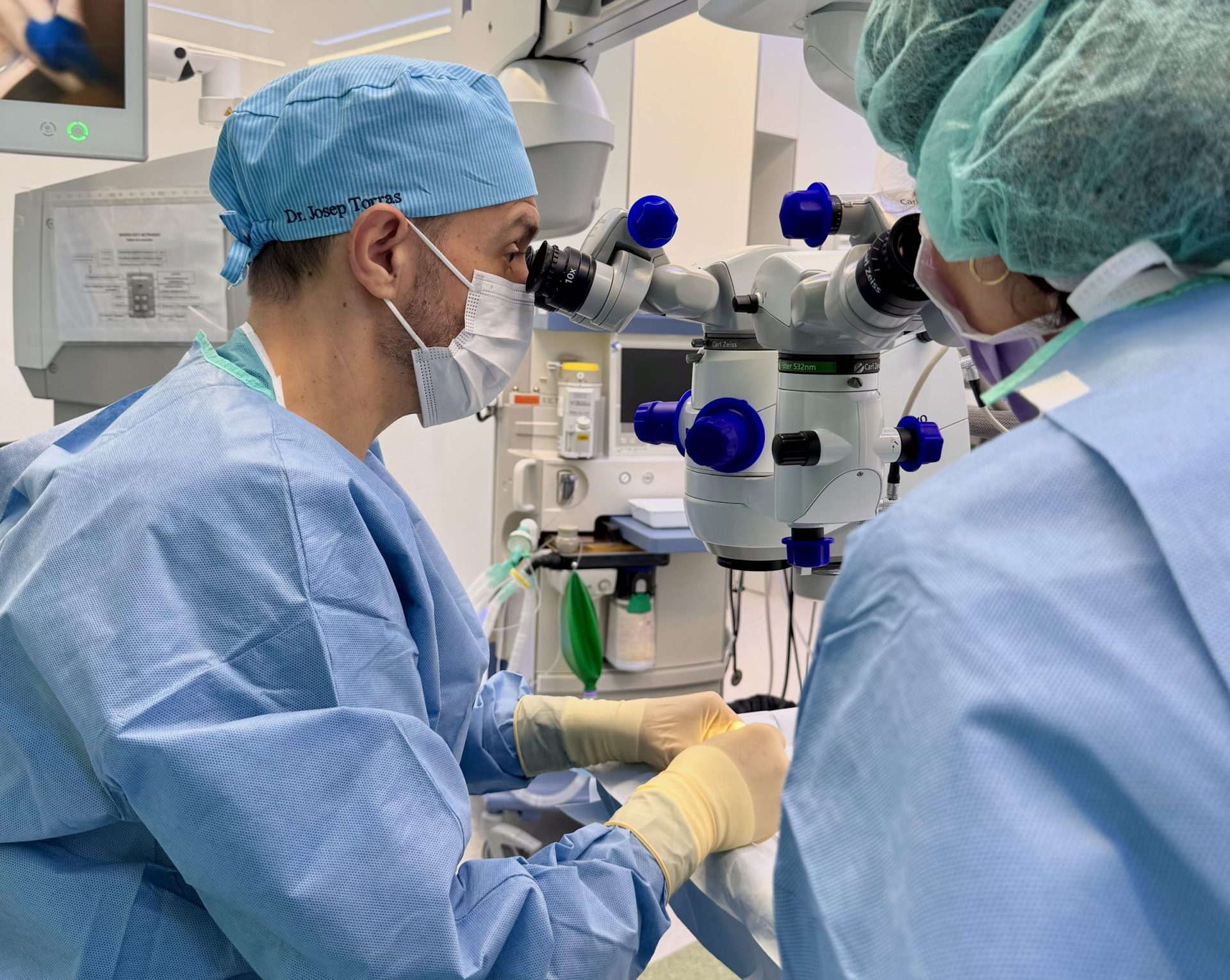
At visiõnclínic+ we have the most advanced tools, such as the ZEISS® ARTEVO 800 microscope or the Bausch & Lomb® VICTUS™ femtosecond laser. We can implant all types of intraocular lenses and we work with the most recognized commercial brands

Dr. Josep Torras Sanvicens
Ophthalmologist specialist in refractive surgery with intraocular lenses

TYPES OF INTRAOCULAR LENSES

PSEUDOPHAKIC INTRAOCULAR LENS

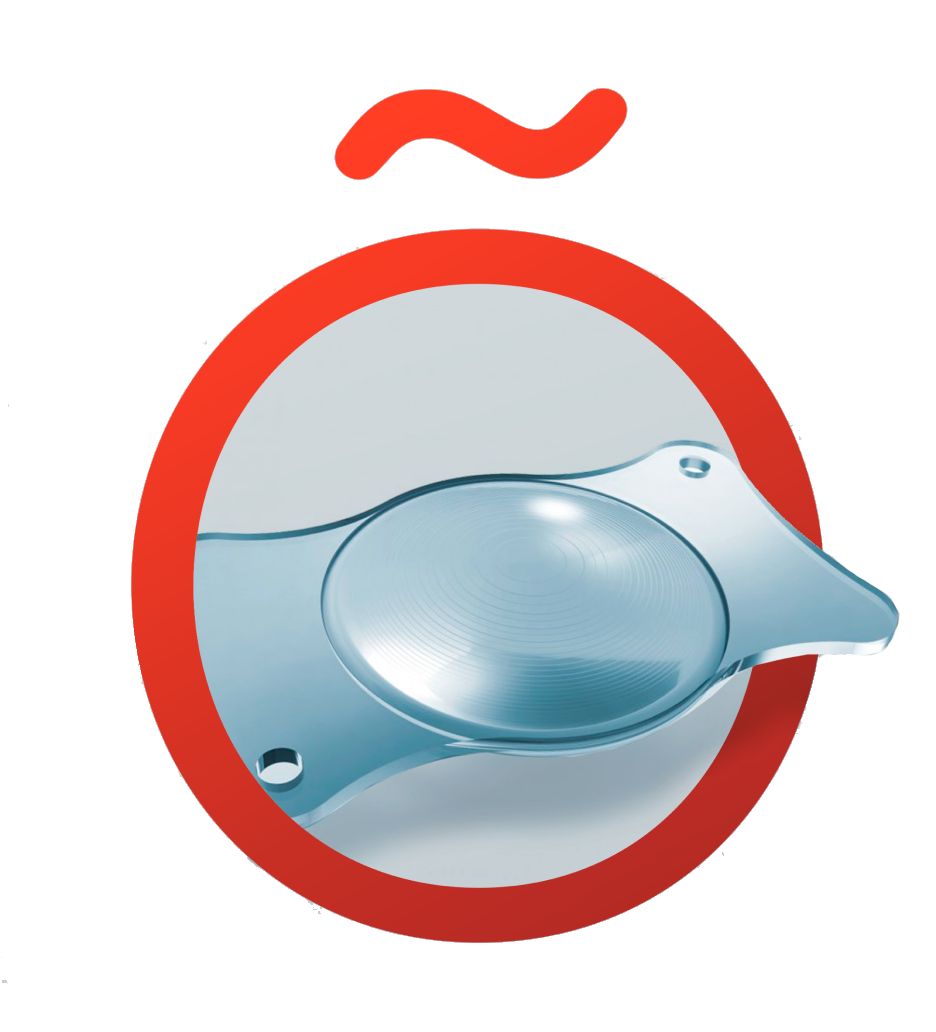
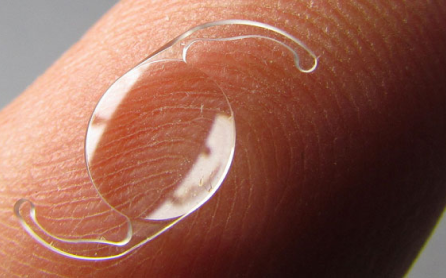
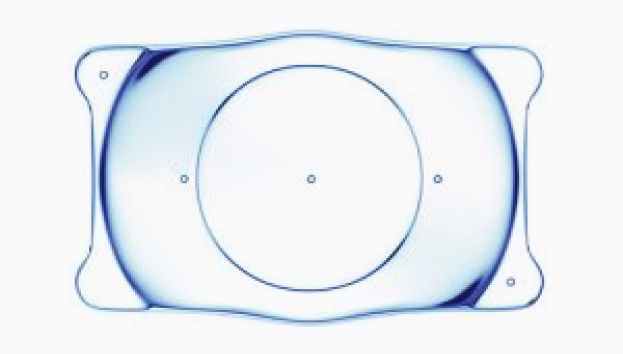
Refractive surgery with a pseudophakic intraocular lens consists of extracting the lens through ultrasonic emulsification of the lens (phacoemulsification), which can be assisted with a femtosecond laser. The procedure is completed by implanting an intraocular lens that can be of different types:

  • Monofocal intraocular lens: corrects the spherical refractive defect of far vision or myopia.

  • Toric monofocal intraocular lens: corrects distance defects, including astigmatism.

  • Trifocal intraocular lens: corrects the refractive defect from far and near (myopia and hypermetropia).

  • Toric trifocal intraocular lens: corrects both far and near defects (myopia and hyperopia), including astigmatism.

  • Extended Depth of Focus (EDoF Extended Depth of Focus) lenses: correct distance defects by improving intermediate vision. These can be toric, when astigmatism is to be corrected.

PHAKIC INTRAOCULAR LENS

Refractive surgery with a phakic intraocular lens consists of implanting a very thin lens, made of a collamer material, in front of the lens and behind the iris. These phakic lenses are known as ICL (Intraocular Contact Lens). It is a reversible procedure (it can be explanted/replaced if necessary) and allows accommodation (ability of the lens to focus closely) to be preserved as long as presbyopia has not been established. The anterior chamber must not be very narrow (2.80 mm between endothelium and anterior face of the lens).


Phakic lenses can correct myopia up to -18 diopters, hypermetropia up to a maximum of +10 diopters (although these patients usually have narrow cameras that contraindicate their implant) and astigmatism up to 6 diopters.

INTERVENTION

Refractive surgery with an intraocular lens is a fully outpatient procedure (no admission). In addition, it is performed using topical anaesthesia making a corneal incision of 2.2 mm. There is no need to use sutures and the patient can leave the operating room with the eye uncovered, although the initial vision is blurred and there may be photophobia, since the pupil needs to be dilated for this type of intervention.

A month of treatment with antibiotic and anti-inflammatory drops will be required. To operate on both eyes with intraocular lenses, it is advisable to separate the two procedures by at least 1 week.

WHAT IS INTRAOCULAR LENS SURGERY FOR?

MYOPIA

Group 81

Myopia appears when the eyeball is slightly longer than normal or when the cornea is very curved. The light rays are then focused on the front of the retina, causing loss of sharpness in the vision.

HYPERMETROPIA

Group 81 (1)

You suffer from hypermetropia when you have a shorter eyeball or a cornea that is too flattened, and light focuses behind the retina. It makes near and sometimes distant vision blurry.

ASTIGMATISM

Group 81 (2)

Astigmatism occurs when the cornea bends or flattens unevenly in its meridians thus altering the focus of near and far vision. This is known as astigmatism.

FIRST VISIT AND CASE STUDY

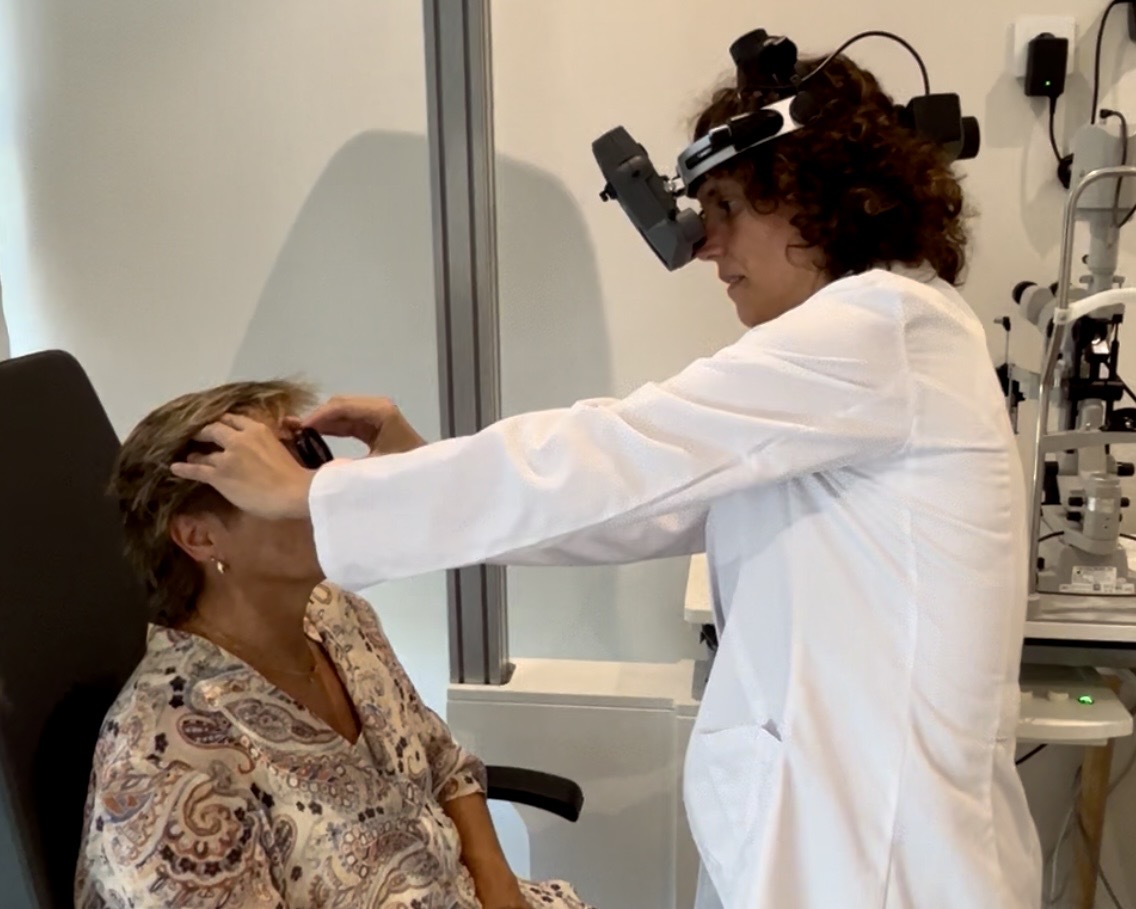
Request an appointment without obligation. You will be attended by one of our professionals who will follow your case from your initial visit until after the refractive surgery with intraocular lenses.

DO YOU WANT TO KEEP UP TO DATE ON OUR LATEST TREATMENTS, NEWS AND OFFERS?

VISIÕNBLOG+

Retina

Eye surgery: why choosing the right specialist matters

Ophthalmic surgery has advanced so much that it may now seem quick and simple. But behind every procedure there are key decisions that can determine the outcome… and your vision for life. “Thinking that any eye surgery is simple and can be performed by anyone is a mistake,” warns Alfredo Adán.


LEER MÁS »

EXPERT PROFESSIONALS WITH INTRAOCULAR LENSES

ASK FOR AN APPOINTMENT

Fill in the following form and we will contact you to offer you an appointment as soon as possible.

ASK FOR AN APPOINTMENT

Fill in the following form and we will contact you to offer you an appointment as soon as possible.